





20 May 2026
Turning Waste into Opportunity
BY SHARON KIENDE
What if yesterday's waste could become tomorrow's resource?
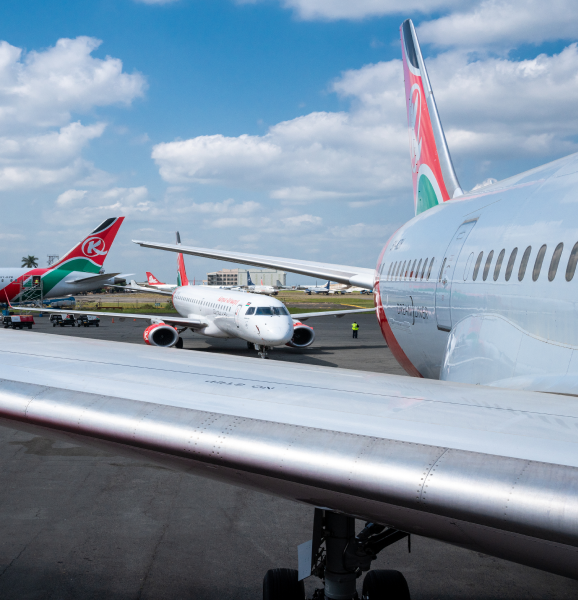
It's a question that is increasingly shaping how organisations around the world approach sustainability. At Kenya Airways, it's also driving a new chapter in the airline's environmental journey; one that looks beyond waste disposal and focuses on creating value through smarter resource management.
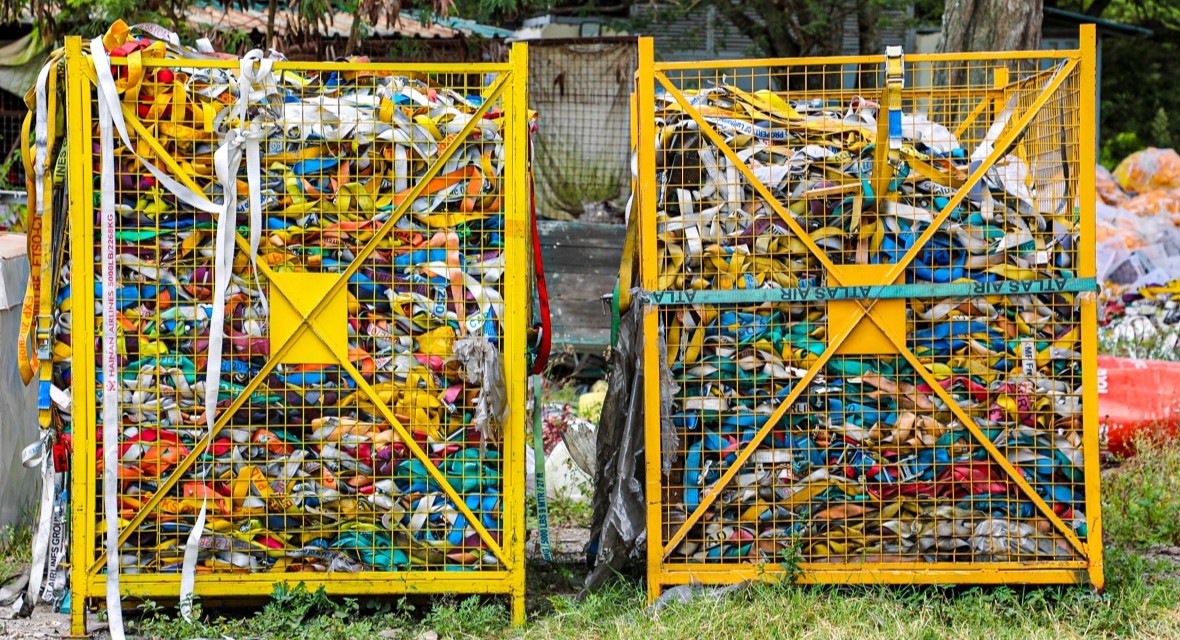
Every day, airline operations generate a variety of materials, from paper and cardboard to plastics and metals. Traditionally, much of this waste would have been destined for disposal. Today, Kenya Airways is exploring how these materials can instead be recovered, recycled and reintroduced into the manufacturing value chain, supporting a more circular economy while reducing the airline's environmental footprint.
To help turn this vision into reality, Kenya Airways recently hosted a Waste Recycling Vendor Engagement Session, bringing together some of Kenya's leading recycling and waste management companies, including Chandaria Industries, Taka Taka Solutions and Mr. Green Africa.
The engagement created an opportunity for open conversations on how the airline can strengthen its waste recovery efforts, improve segregation practices and build strategic partnerships that maximise the value of recyclable materials generated across its operations.
Rather than viewing waste as something to be discarded, the discussions centred on how it can become a valuable resource one that supports both environmental sustainability and business resilience.
The initiative also aligns with Kenya's Extended Producer Responsibility (EPR) regulations, which encourage organisations to take greater responsibility for the lifecycle of the materials and packaging they use. By working closely with recycling partners, Kenya Airways is positioning itself to improve recovery rates, minimise the amount of waste sent for disposal and contribute to Kenya's broader circular economy ambitions.
But the benefits extend beyond regulatory compliance.
Recovering recyclable materials presents an opportunity to reduce disposal costs while creating new revenue streams through recycling partnerships. It's an approach that demonstrates how sustainable practices can deliver meaningful business value while protecting the environment.
Collaboration will be key to making this vision a reality. By engaging with organisations that specialise in waste recovery and recycling innovation, Kenya Airways is building the partnerships needed to create long-term impact ensuring that materials once considered waste can be given a second life.
As the airline continues to embed sustainability across its operations, initiatives like these reflect a simple but powerful shift in thinking: waste is no longer just something to manage. It is an opportunity to innovate, conserve resources and create lasting value for the business, the environment and the communities we serve.
Every step towards better waste management is another step towards a cleaner, more resilient future and Kenya Airways is committed to making that journey count.
Related news

26 Sep 2025
Customer Updates
News
Impact at a Glance: • 1.42 million tonnes CO₂ emitted in 2024, driving urgency for change. • 0.02% CO₂ avoided annually through electrification of baggage handling vehicles • 2% SAF blend on all European flights since January 2025, reducing CO2e emissions annually. • TAC Showcase Flights contribute an additional ~0.002% CO2e emissions reduction • 5 million passengers served each year, directly experiencing sustainability in action.

05 Aug 2025
News
BY PEARL ASITWA
10 Jun 2024
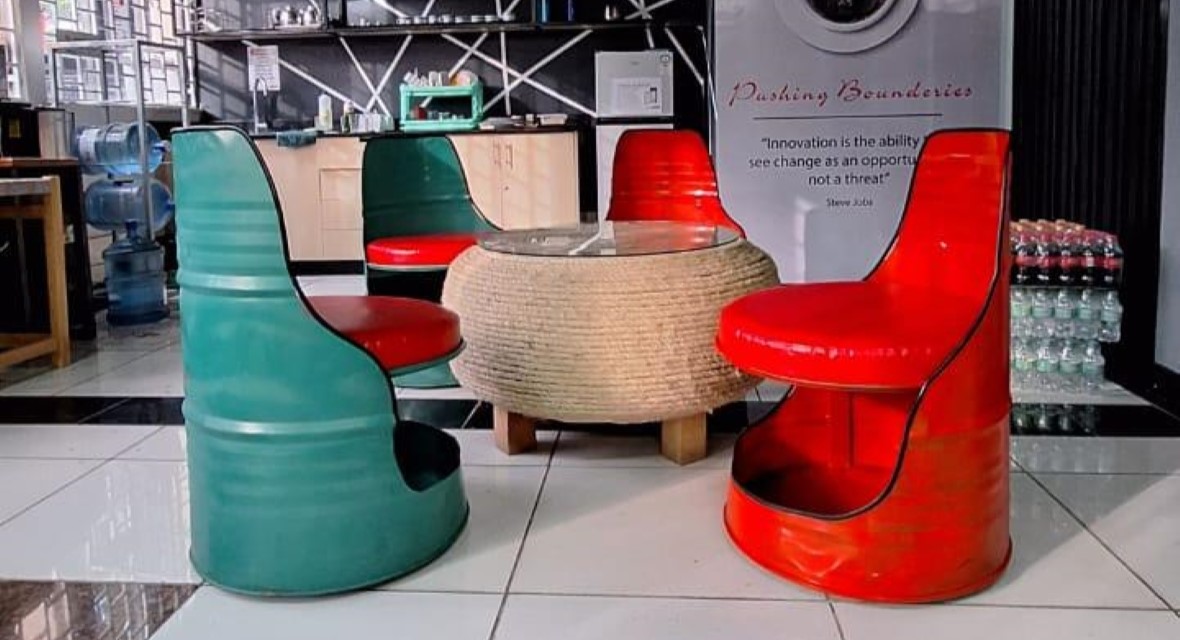
What is upcycling and how does it differ from recycling? According to the Oxford Dictionary, upcycling is the process of treating an item that has already been used in such a way that you create something of greater quality or value than the original item. While recycling is an industrial process that breaks down objects into raw materials to make new products, upcycling is about creatively repurposing items without breaking them down entirely.